
Why Mobile Devices Explode: 5 Explosive Stats That Might Shock You
Mobile devices seem harmless in our hands, but they carry real risks under specific conditions. Excessive heat, heavy workloads, and hazardous workplaces can turn ordinary electronics into major hazards quickly. Here are five eye-opening findings about device failures, overheating risks, and why an intrinsically safe tablet case is vital for preventing unexpected explosions in dangerous work environments.
1. Battery Fires Frequently Stem from Extreme Overheating
Lithium-ion batteries are standard power sources in almost every gadget on the market today, yet they remain inherently unstable when stressed by heat or physical damage. Industry safety reports highlight that hot environments drive a major portion of battery thermal events. When a battery suffers a short circuit, it releases intense heat rapidly, which can ignite neighboring materials in seconds. Using an intrinsically safe tablet case helps shield equipment from physical impacts and temperature spikes that frequently trigger these scary chain reactions.
Thermal runaway occurs when a battery cell generates far more heat than it can dissipate into the surrounding air. As temperatures soar past normal limits, internal components melt down and vent toxic, highly combustible gases into the room. Chemical reactions inside the battery speed up dramatically as surrounding air temperatures rise toward peak levels. If these escaping gases encounter even a tiny spark, they ignite into direct flame immediately. Encasing sensitive field gear within an intrinsically safe tablet case provides specialized physical protection that keeps delicate battery components stable under tough conditions.
Environmental factors like intense sunshine inside a parked vehicle can easily push internal battery temperatures beyond safe limits. High temperatures accelerate chemical breakdown inside the casing, increasing internal pressure exponentially. Workers operating in warm climates must remain vigilant about keeping gear shaded and cool throughout the workday. Taking proactive steps to handle devices properly keeps everyone much safer during severe heat spikes.
2. Industrial Fires Originate from Microscopic Electrical Sparks
Industrial facilities face constant hazards, with the vast majority of facility blazes tracing directly back to electrical equipment or arcing components. Standard consumer electronics generate microscopic sparks during regular operation, even when simply scrolling through an app or receiving a phone call. In workplaces with fine dust or chemical fumes, those tiny electrical discharges are enough to trigger massive blazes instantly. Equipping field workers with an intrinsically safe tablet case keeps electrical charges contained away from volatile surroundings.
Hazardous locations require rigorous testing standards to confirm that gear will not generate ignition sources during daily use. According to Bartec, typical smartphones like Apple or Samsung lack intrinsic-safety certification (ATEX, IECEx, NEC, etc.), so they're not suitable for use in flammable environments. These rigorous safety standards evaluate both normal operating temperatures and potential fault conditions across every component. Carrying gear that isn't certified into a factory or refinery introduces massive liability, making certified equipment essential for every single team member on site.
Preventing catastrophic industrial incidents comes down to eliminating the three elements of the fire triangle: fuel, oxygen, and ignition. While factories cannot always eliminate fuel vapors or atmospheric oxygen, they can strictly control ignition sources. Deploying an intrinsically safe tablet case around standard tech reduces spark potential down to absolute zero. That extra layer of engineering keeps operations running smoothly without risking worker safety.
3. Thermal Failures Cause Instant Internal Venting
Surpassing normal thermal limits creates an instant danger zone for modern lithium-ion batteries across all industries. Elevated temperatures quickly push surface warmth past safe operational thresholds, especially when devices sit in direct sunlight or sealed vehicles. Once the internal chemistry destabilizes at high temperatures, internal pressure builds up until the outer shell vents or ruptures forcefully. Enclosing your gear inside an intrinsically safe tablet case helps insulate sensitive electronics against extreme environmental heat.
When workers take consumer electronics outdoors on bright days, display screens run at maximum brightness, which generates even more heat internally. Combining high ambient temperatures with heavy processor workloads creates the perfect storm for thermal failure. Running demanding software applications alongside continuous GPS tracking forces internal power draws to jump significantly. Devices usually slow down or freeze first, but continued exposure to sunlight can lead straight to severe swelling or fire. Proper equipment choices prevent these thermal risks before they turn into real emergencies.
Monitoring ambient conditions is a mandatory safety habit for crews working outside for extended periods. Storing devices in cooled areas when not in use helps maintain chemical stability inside the power cells. Simple habits like keeping equipment shaded during lunch breaks go a long way toward keeping gear functioning safely. Smart thermal management is the best defense against unexpected battery failures.
4. Workplace Injuries Result from Flying Debris and Shrapnel
Severe battery failures cause significant injuries each year, with flying debris and chemical burns topping the list of reported hazards. These incidents range from minor skin burns to severe blast injuries caused by sharp plastic fragments and sudden flames. Most victims report having no warning before their device suddenly expanded, hissed, and caught fire in their hands. Using an intrinsically safe tablet case provides robust outer shielding that protects users if an internal failure ever occurs.
When a battery fails explosively, it releases sharp plastic debris, superheated hot gas, and liquid electrolytes simultaneously. The force of the rupture can easily shatter standard plastic housings, sending sharp fragments everywhere. Modern battery chemicals burn at extremely high temperatures that can instantly melt standard synthetic fabrics and protective workwear. Protective enclosures are specifically engineered to contain high pressures and absorb impact energy safely. That rugged construction keeps workers safe from shrapnel and chemical burns during unforeseen battery meltdowns.
Proper safety training helps employees spot early warnings of battery stress before a catastrophic blast happens. Bulging outer housings, unusual odors, and excessive heat are clear signals that a battery is about to fail. Removing compromised devices from service immediately prevents dangerous emergency room visits. Prioritizing equipment safety keeps field teams healthy and productive.
5. Standard Consumer Devices Lack Explosive Protection
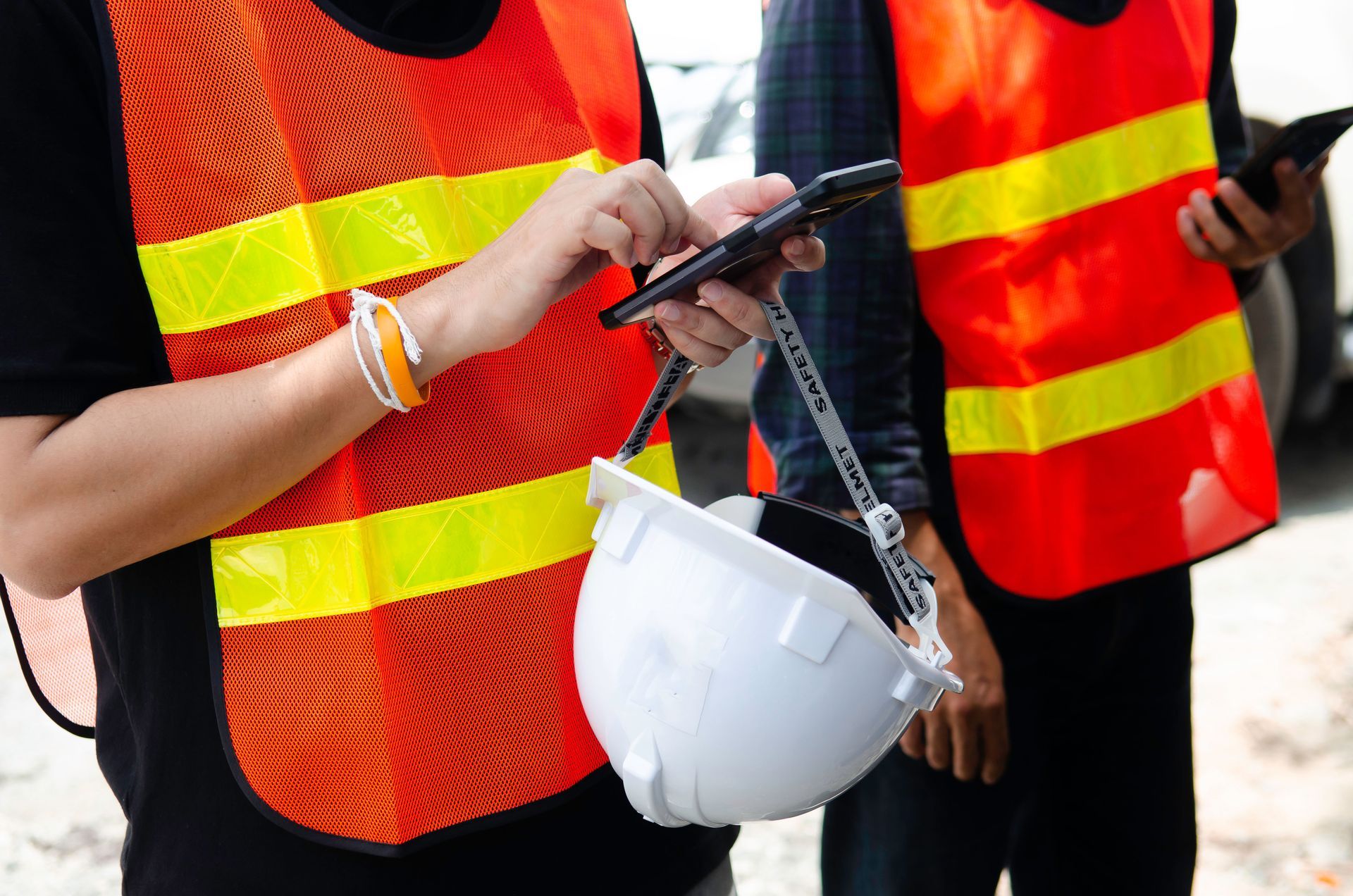
Globally, millions of professionals operate in environments where flammable gases, vapors, or combustible dusts are present daily. From chemical processing plants to grain storage facilities, these workplaces require specialized technology to maintain basic safety standards. Bringing non-certified consumer gadgets into these spaces puts thousands of lives at risk every single day. Outfitting team hardware with an intrinsically safe tablet case allows workers to stay connected without creating dangerous ignition risks.
Modern field operations rely heavily on digital workflows, real-time data collection, and instant communication across teams. Leaving tech behind is no longer an option for productive industries. Standard commercial hardware relies on lightweight plastics and unsealed ports that easily allow dangerous gases to enter internal chambers. However, bringing standard consumer gear into hazardous areas creates an unacceptable safety gamble. Certified protective enclosures bridge the gap, allowing teams to use powerful mobile technology safely in delicate environments.
As ambient temperatures rise in demanding environments, the risk profile for hazardous workplaces increases significantly due to higher heat and volatile fuel vapors. Equipping crews with fully certified protective housings maintains compliance with strict safety regulations while supporting peak operational output. Choosing proper gear keeps workers confident and protected.
Mobile device explosions pose real threats to safety, especially in high-temperature or volatile environments. Standard commercial devices lack built-in protections against thermal runaway and dangerous electrical arcing, making specialized enclosures essential for risky settings. Contact Xciel Inc to stay informed about battery hazards and keep your workplace safe and running smoothly.








Share On: