
5 Common Reasons Mobile Devices Become Hazards
In today's hyper-connected world, mobile devices are indispensable. However, they can also pose significant hazards if not managed properly. This article explores the common reasons why mobile devices become hazardous and offers insight into mitigating these risks. While serving as tools for communication, education, and entertainment, the dangers they present are both varied and significant. Recognizing these risks can help users adopt safer practices and protect themselves, their data, and the environment from potential harm. In certain high-risk settings, using an intrinsically safe phone case can further support safer device handling.
Reason One: Distracted Usage
Driving Distractions
Mobile devices, when used behind the wheel, significantly increase the likelihood of road accidents. Texting or browsing while driving diverts attention and slows reaction times, leading to potentially fatal consequences. According to the National Highway Traffic Safety Administration, distracted driving remains a leading cause of roadway incidents nationwide. Many jurisdictions have enacted strict laws to limit mobile device use while driving, reinforcing the seriousness of this behavior.
Despite enforcement efforts, the immediacy of calls and notifications continues to tempt drivers. Public safety campaigns emphasize real-life consequences and accident statistics to encourage behavioral change. Technologies such as automatic reply features and driving modes that silence alerts offer practical tools for reducing distractions. Maintaining focus behind the wheel is essential to protecting both drivers and others on the road.
Pedestrian Hazards
Mobile device use also presents risks to pedestrians by reducing awareness of surroundings. Distracted walking can result in collisions with vehicles, other pedestrians, or stationary objects. In densely populated urban areas, these dangers increase as traffic patterns become more complex and sidewalks grow more crowded.
Cities have introduced awareness initiatives, improved crosswalk signaling, and pedestrian-only zones to counteract these risks. Educational efforts encourage individuals to pause before checking devices and remain attentive when crossing streets. These small adjustments can significantly reduce preventable accidents.
Work Environment Distractions
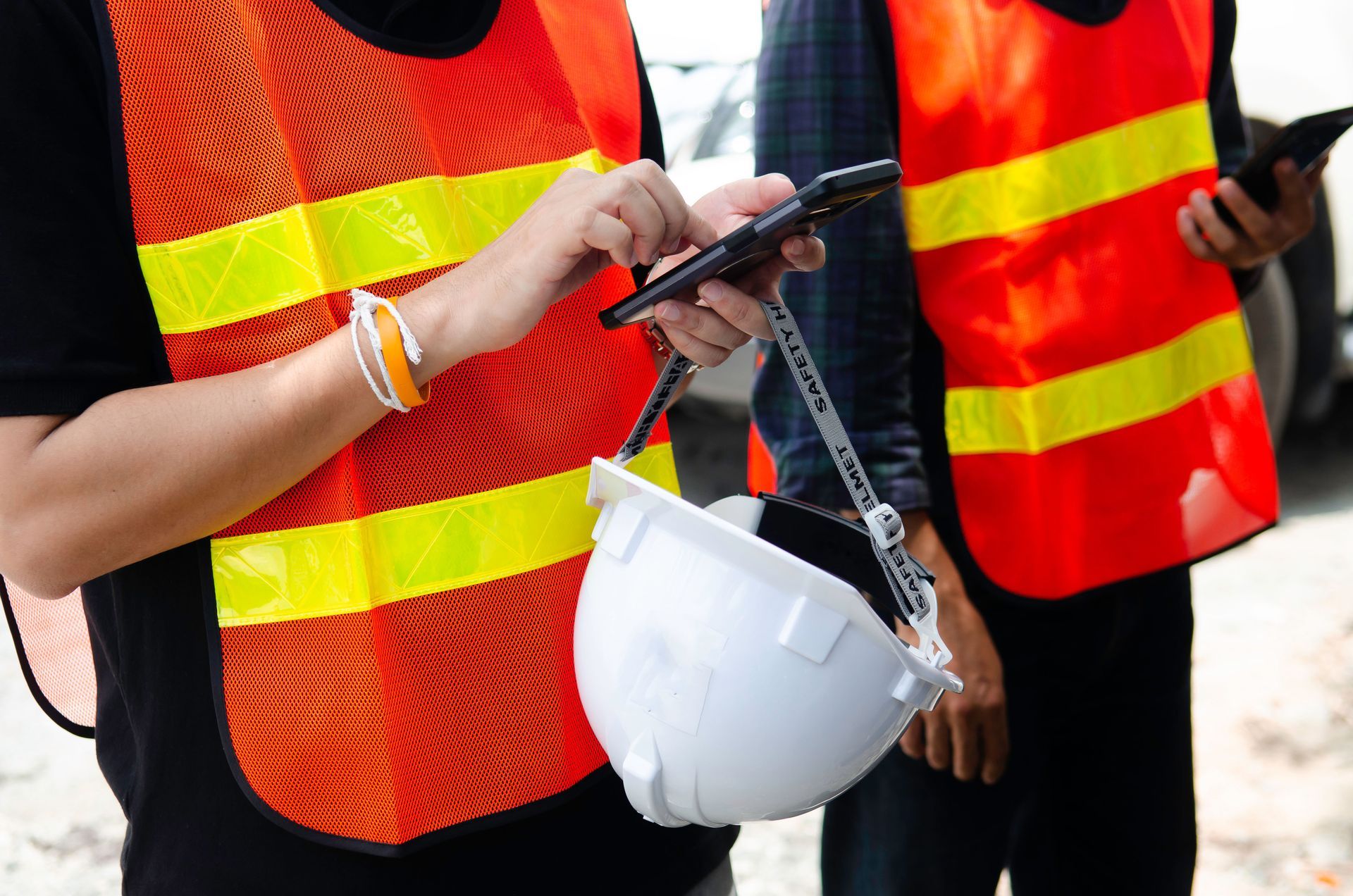
In workplace settings, mobile device distractions can compromise productivity and safety. Frequent interruptions disrupt focus, increasing the likelihood of mistakes or accidents, especially in industries requiring precision. Some environments mandate the use of protective equipment, including an intrinsically safe phone case, to reduce hazards in volatile or sensitive work zones.
Employers address these concerns through structured policies, safety training, and controlled device access. Encouraging intentional device use helps maintain operational efficiency while protecting employee well-being.
Academic Performance
Educational environments are increasingly impacted by mobile device distractions. Easy access to social media and entertainment diverts attention away from coursework and lectures. As a result, students may struggle with comprehension, retention, and overall academic performance.
Schools respond by implementing device management policies and promoting digital responsibility. Balancing educational technology with focused learning time supports stronger academic outcomes.
Cognitive Impairment
Frequent interruptions from mobile devices can impair cognitive functions such as memory, focus, and critical thinking. Constant multitasking strains mental resources and reduces the ability to engage in deep, sustained concentration.
Techniques like notification management, scheduled breaks, and mindfulness practices help restore mental clarity. Developing intentional usage habits protects long-term cognitive health.
Reason Two: Health Risks
Eye Strain and Vision Problems
Extended screen exposure contributes to digital eye strain, causing symptoms like headaches, dryness, and blurred vision. Children and young adults are particularly vulnerable due to prolonged daily device use.
Practices such as the 20-20-20 rule, proper lighting, and regular eye exams help maintain long-term visual health.
Radiation Exposure
Public concern persists regarding electromagnetic radiation emitted by mobile devices. While exposure levels generally fall within safety standards, precautionary habits are widely recommended. In industrial settings, pairing compliant devices with an intrinsically safe phone case helps mitigate ignition or overheating risks.
Using hands-free options and limiting prolonged contact reduces cumulative exposure while research continues to refine safety guidance.
Musculoskeletal Issues
Prolonged mobile device use often leads to neck, shoulder, and wrist discomfort due to poor posture. Conditions such as “tech neck” are increasingly common among frequent users.
Ergonomic adjustments, stretching, and scheduled breaks significantly reduce musculoskeletal strain and improve comfort.
Sleep Disruption
Blue light emitted from device screens interferes with circadian rhythms, delaying sleep onset and reducing sleep quality. Late-night device use contributes to fatigue and reduced daytime performance.
Establishing screen-free routines before bedtime supports healthier sleep cycles and overall well-being.
Psychological Effects
Constant connectivity has been linked to increased stress, anxiety, and emotional fatigue. Social comparison and information overload amplify these psychological pressures.
Mindfulness, boundary-setting, and regular offline activities help restore emotional balance and resilience.
Reason Three: Cybersecurity Threats
Data Breaches
Mobile devices store sensitive personal and professional information, making them attractive targets for cybercriminals. Data breaches can result in identity theft, financial loss, and reputational damage.
Protective measures such as encryption, updates, and security awareness training are essential for minimizing these risks.
Unauthorized Access
Weak passwords and outdated software increase vulnerability to unauthorized device access. Strong authentication methods, including biometrics and multifactor verification, significantly enhance security.
In regulated or hazardous industries, combining digital protections with physical safeguards like an intrinsically safe phone case provides layered defense against both cyber and environmental threats.
Mobile devices play a vital role in modern life, but unmanaged use introduces safety, health, and security challenges. Understanding these risks allows individuals and organizations to adopt informed, proactive strategies.
Reason Four: Environmental and Physical Hazards
Battery Failures and Overheating
Mobile devices rely on lithium-ion batteries, which can pose physical hazards if damaged, improperly charged, or exposed to extreme temperatures. Overheating batteries may swell, leak, or in rare cases ignite, creating fire risks in homes, vehicles, or workplaces. These dangers increase when non-certified chargers or damaged cables are used, as they can deliver inconsistent power levels that stress battery components.
Users can reduce these risks by avoiding overcharging, keeping devices away from direct heat sources, and replacing aging batteries promptly. In high-risk or industrial environments, additional safeguards such as controlled charging stations and an intrinsically safe phone case help prevent overheating or ignition in volatile conditions.
Electronic Waste and Environmental Impact
Improper disposal of mobile devices contributes to environmental hazards. Smartphones contain hazardous materials, including heavy metals and chemicals, that can contaminate soil and water if discarded incorrectly. The rapid upgrade cycle of mobile technology has significantly increased electronic waste worldwide, amplifying environmental strain.
Recycling programs, manufacturer take-back initiatives, and responsible disposal practices reduce environmental harm. Extending device lifespan through protective accessories and mindful usage also helps minimize waste while promoting sustainability.
Physical Damage and Injury Risks
Cracked screens, exposed wiring, and damaged casings can cause physical injuries such as cuts, burns, or electric shock. Dropping devices from elevated surfaces or using them in unsafe locations increases the likelihood of harm. In professional settings, dropped devices can also damage sensitive equipment or create trip hazards.
Using durable protective gear, storing devices securely, and inspecting hardware regularly helps prevent accidents. In specialized work environments, an intrinsically safe phone case adds an extra layer of protection against both physical damage and environmental exposure.
Reason Five: Social and Behavioral Risks
Reduced Situational Awareness
Excessive focus on mobile devices can limit situational awareness beyond driving or walking scenarios. Users may overlook safety warnings, alarms, or environmental cues, increasing the likelihood of accidents. This risk is particularly concerning in industrial, construction, or healthcare environments where awareness is critical.
Establishing designated device-use zones and encouraging momentary disengagement during critical tasks improves safety and attentiveness.
Dependency and Overuse
Behavioral dependency on mobile devices can lead to compulsive checking, reduced interpersonal engagement, and impaired decision-making. Overreliance on constant connectivity may diminish problem-solving skills and increase stress when devices are unavailable.
Promoting balanced usage habits, setting usage boundaries, and encouraging offline interaction helps maintain healthy relationships with technology.
Together, these additional risks highlight how mobile device hazards extend beyond distraction alone. Addressing environmental, physical, and behavioral factors strengthens overall safety and supports more responsible, sustainable device use.
Whether through behavioral changes, policy enforcement, or protective solutions such as an intrinsically safe phone case, responsible device management promotes safer environments and healthier technology use overall. Contact our team at Xciel Inc today to get connected with our phone case services.





Share On: